

Turning Information Into Action: How AI-Powered RealTime Crime Centers Help Agencies Respond Faster and Smarter
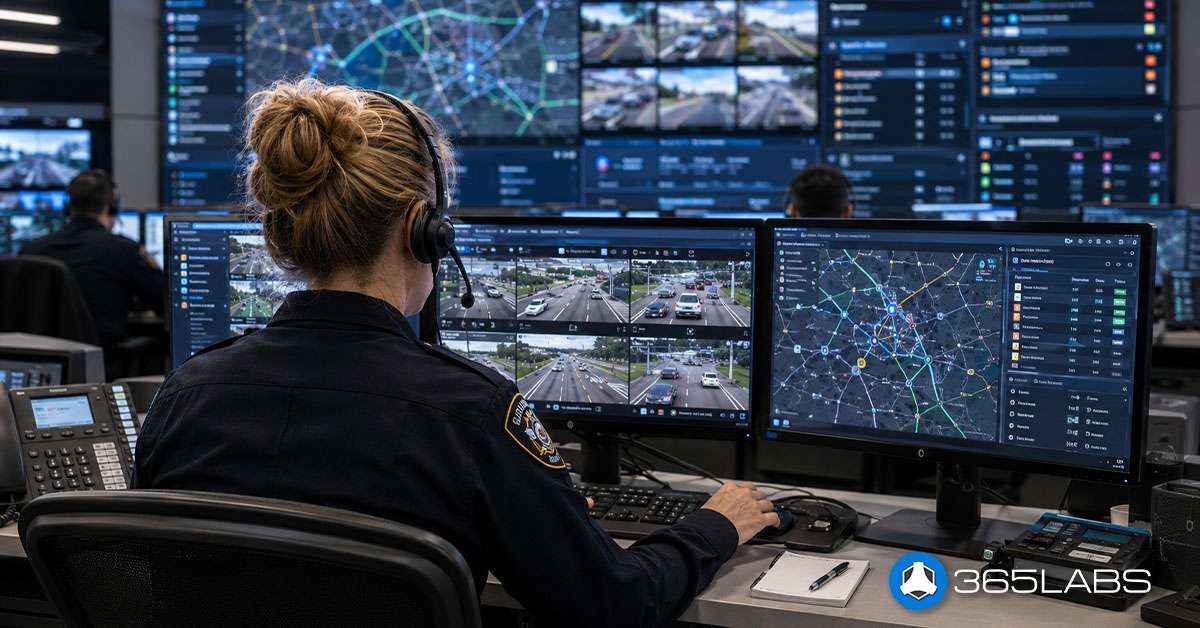
Law enforcement has never had access to more information than it does today.
Calls for service, officer locations, traffic cameras, license plate readers, body cameras, arrest records and countless other sources generate information every minute.
Bottlenecks in Jail Intake and How to Eliminate Them
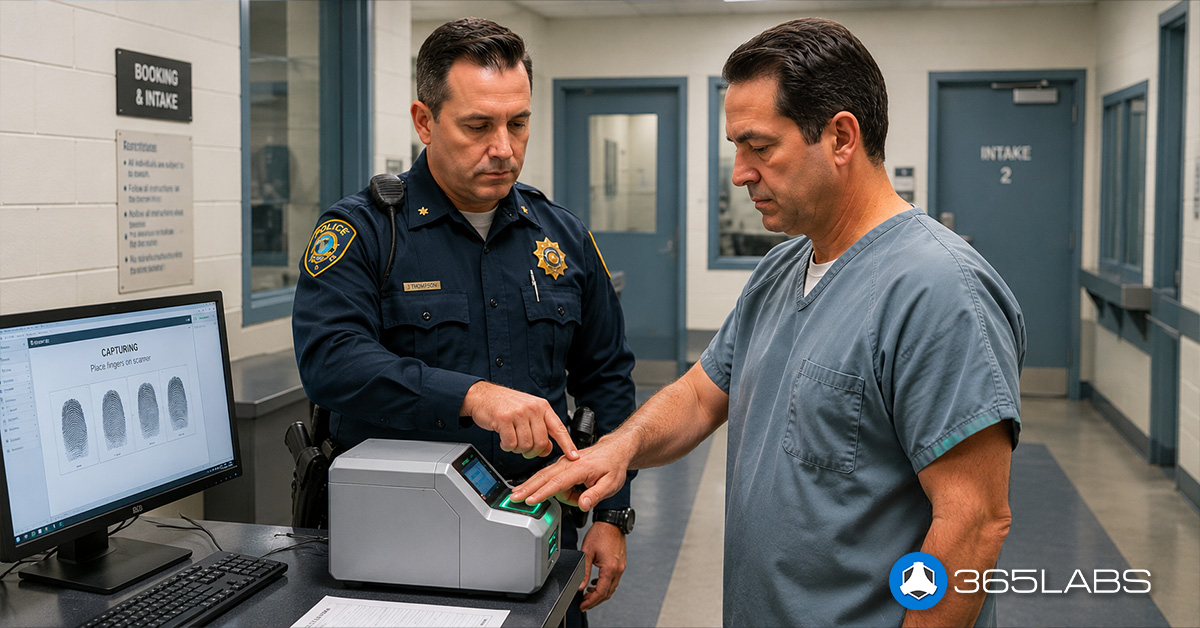
Jail intake is one of the busiest and most time-sensitive operations inside a correctional facility.
When intake runs smoothly, the entire operation benefits. When it doesn’t, delays start stacking up quickly, creating additional pressure on officers, holding areas, and overall facility operations.
Seeing the Bigger Picture: How AI-Powered Relationship Mapping Helps Investigations Move Faster

Most cases don’t exist in isolation. The same names show up across different reports. The same addresses appear again and again. Vehicles, phone numbers, and associates connect incidents that may not seem related at first.
When Dispatch has the Officer’s Back: Is Your CAD Prioritizing Safety on the Street?

Officer safety doesn’t start when a unit arrives on scene. It starts the moment a call comes in. What dispatch knows—and how quickly that information is shared—shapes every decision that follows.
Improving responder safety isn’t just about adding equipment or personnel. It’s about giving dispatch the tools to deliver the right information, faster and more clearly.
Eliminate the ‘Second Shift’: How AI Reduces Burnout Across Patrol, Dispatch, and Corrections

Burnout isn’t only about long hours and staffing shortages. It’s the buildup of small, constant pressures: Reports that take longer than they should. Dispatch juggling too much at once. Corrections staff repeating the same intake steps over and over. Supervisors fielding constant status requests.
AI + CAD, RMS & JMS: Giving Command Staff a Clear View of Operations in Realtime

When something happens in your jurisdiction, command staff need to be able to see what’s going on immediately. Not after calling dispatch. Not after texting a captain. Not after waiting for someone to run a report.
Less Paperwork, Faster Answers: Built-In AI that Keeps Officers in Control for CAD, RMS & JMS

Artificial intelligence is no longer a future conversation for public safety—it’s already helping agencies reduce repetitive work and speed up processes.
Stronger Cyber Defense: How Native Cloud Software Helps Law Enforcement Stay Secure Without Adding Complexity

Cyber threats are no longer limited to banks or large corporations. Law enforcement agencies are now frequent targets because they manage highly sensitive data, often with limited IT staff and tight budgets. The challenge isn’t just improving security. It’s doing so without slowing officers down or creating more work for already stretched teams.
Rethinking Chain of Custody: Modernizing the Physical Evidence Room

The property and evidence room is one of the most scrutinized parts of an agency. Chain of custody, accountability, audits, court challenges—there’s no room for error.
Dispatch Like the Pros: Choosing the Right Unit for Every Call

When the shift gets hectic and the board fills up, dispatchers are making dozens of judgment calls that shape the outcome of every incident. Response times, workload balance, and officer safety are all tied to how well the dispatch center assigns units.