

When Dispatch has the Officer’s Back: Is Your CAD Prioritizing Safety on the Street?

Officer safety doesn’t start when a unit arrives on scene. It starts the moment a call comes in. What dispatch knows—and how quickly that information is shared—shapes every decision that follows.
Improving responder safety isn’t just about adding equipment or personnel. It’s about giving dispatch the tools to deliver the right information, faster and more clearly.
Eliminate the ‘Second Shift’: How AI Reduces Burnout Across Patrol, Dispatch, and Corrections

Burnout isn’t only about long hours and staffing shortages. It’s the buildup of small, constant pressures: Reports that take longer than they should. Dispatch juggling too much at once. Corrections staff repeating the same intake steps over and over. Supervisors fielding constant status requests.
AI + CAD, RMS & JMS: Giving Command Staff a Clear View of Operations in Realtime

When something happens in your jurisdiction, command staff need to be able to see what’s going on immediately. Not after calling dispatch. Not after texting a captain. Not after waiting for someone to run a report.
Stronger Cyber Defense: How Native Cloud Software Helps Law Enforcement Stay Secure Without Adding Complexity

Cyber threats are no longer limited to banks or large corporations. Law enforcement agencies are now frequent targets because they manage highly sensitive data, often with limited IT staff and tight budgets. The challenge isn’t just improving security. It’s doing so without slowing officers down or creating more work for already stretched teams.
Dispatch Like the Pros: Choosing the Right Unit for Every Call

When the shift gets hectic and the board fills up, dispatchers are making dozens of judgment calls that shape the outcome of every incident. Response times, workload balance, and officer safety are all tied to how well the dispatch center assigns units.
Building a Resilient Agency: 6 Must-Have CAD & RMS Capabilities for Future-Ready Policing

Choosing a new CAD or RMS system is one of the most important technology decisions a law enforcement leader can make. But the demands of law enforcement are changing fast, and technology needs to do more than keep up. The right systems don’t just manage calls and reports; they save your officers time, improve safety, and reduce stress across dispatch, patrol, and corrections.
One System, One Story: How Integrated CAD, RMS & JMS Prevent Gaps, Save Time, and Improve Safety

From the moment a 911 call comes in, to the time an arrest is booked, every detail matters. When information and processes are scattered across different systems, mistakes can happen. Yet many agencies are stuck with separate systems for dispatch, reporting, and jail management that don’t talk to each other.
Faster Fire Response: How CAD Tools Like Real-time Alerts and Mobile Apps Improve Dispatch and Firefighter Coordination
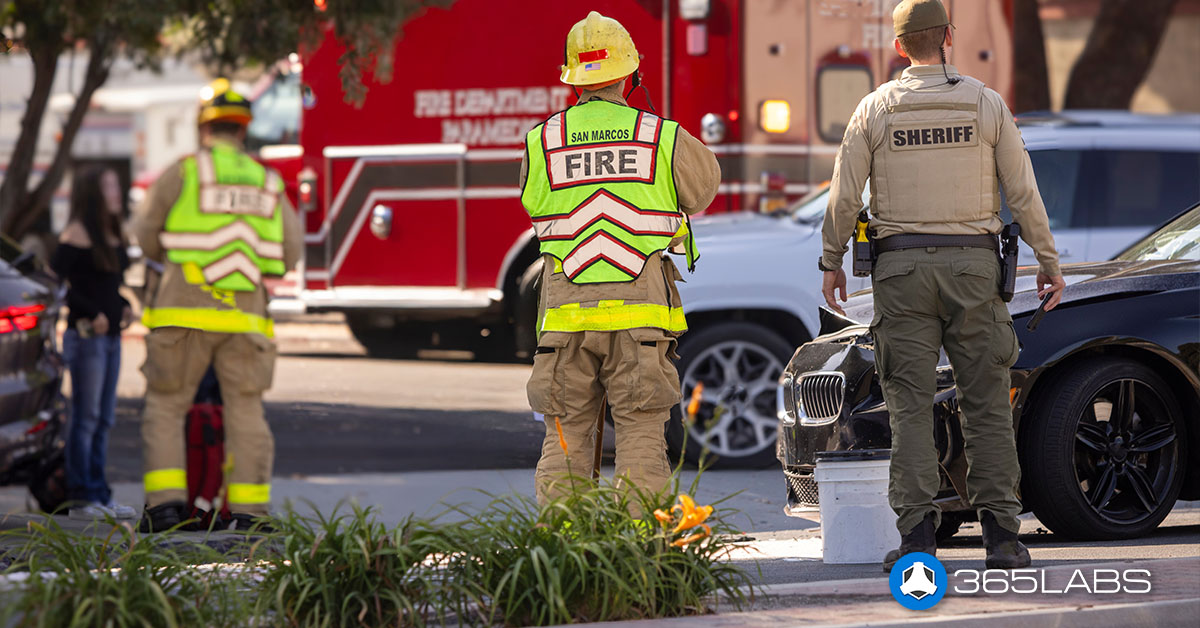
Fire emergencies are some of the most challenging situations first responders face. They require swift decision-making, seamless communication, and effective coordination across EMS, law enforcement and fire departments.
Simplified Dispatch: AI Assisted Non-Emergency call routing in CAD to Reduce Stress

Dispatchers are the lifeline between law enforcement officers and the communities they serve. But the demands of the job—fielding emergency calls, coordinating units, and managing a flood of real-time information—can quickly lead to burnout.
AI in Law Enforcement: Improving Efficiency Across Reports, Dispatch, Evidence, and Jail Operations
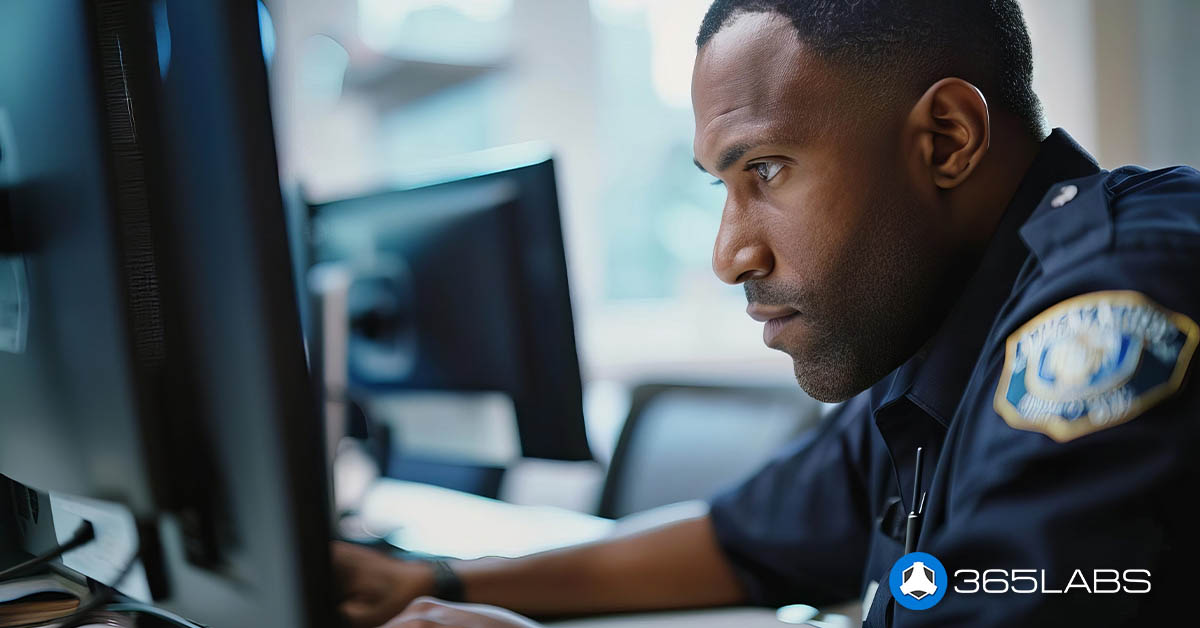
With its ability to analyze large amounts of data quickly, automate routine tasks and provide real-time insights, AI is helping officers become more efficient, responsive, and effective.